Baby teeth: when they come and go
What's normal for teeth arriving, wobbling and falling out — and what's worth checking.
Overview
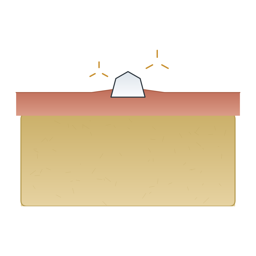
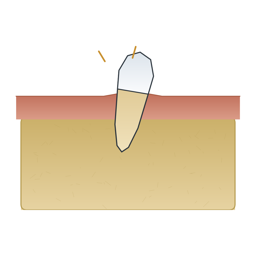
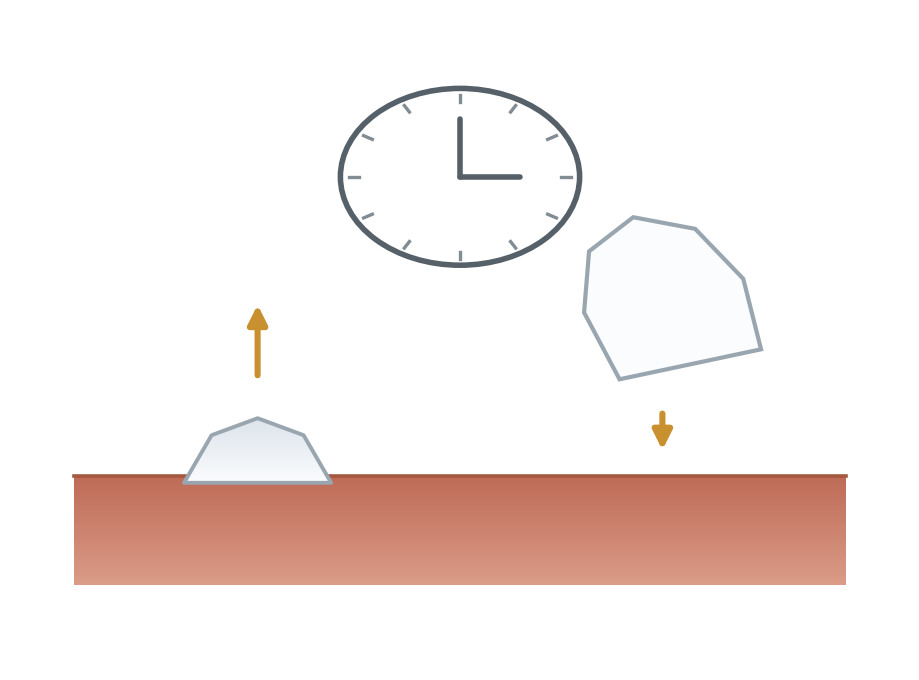
The first baby teeth usually appear around six months to a year, starting with the lower front teeth, and the full set of twenty is typically in place around age two to three. Wide variation is normal — some babies cut a tooth at four months, others have none at their first birthday.
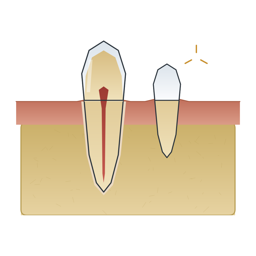
Baby teeth start to wobble and fall out from around age six, again front-first, and the last baby molars are usually lost around eleven to thirteen. Adult teeth erupt behind them on a similar schedule, finishing with the twelve-year-old molars — and, much later, wisdom teeth.
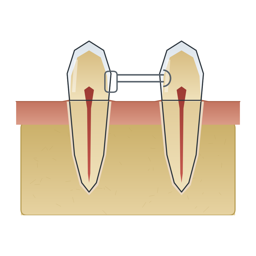
Baby teeth matter: they chew, they guide speech, and they hold space for the adult teeth coming behind them. Losing one too early (from decay or a knock) can crowd the adult tooth out of position, which is why we sometimes place a space maintainer.
What to know
- Timing varies widely — patterns matter more than exact dates
- Lower front teeth usually arrive first and fall out first
- From about age six, baby and adult teeth share the mouth for years
- Baby teeth hold space for adult teeth — early loss can cause crowding
- No teeth by 18 months, or nothing wobbly by 8, is worth an assessment
Common questions
Is it normal for adult teeth to come in behind baby teeth?
My child's new adult teeth look yellow — is something wrong?
Should wobbly teeth be pulled out?
What if a baby tooth is knocked out early?
When do wisdom teeth come?
Related topics