ExploreTreatmentstheconsent.app
Prevention, Hygiene & Lifestyle

Dental fads: charcoal, oil pulling & DIY whitening

What the evidence says about charcoal toothpaste, oil pulling and home whitening hacks.
✓ Clinician-reviewedReviewed June 20262 min read
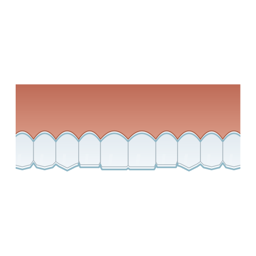
Illustration: Dental fads: charcoal, oil pulling & DIY whitening
Charcoal paste
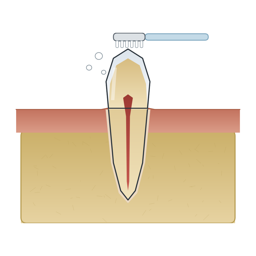
Abrasive — can wear enamel
Oil pulling
No reliable evidence
Lemon / vinegar
Dissolves enamel — avoid
Safe route
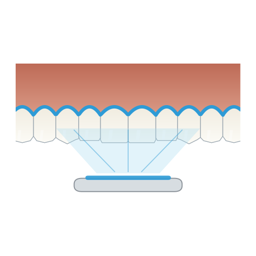
Professional whitening

Overview

Social media is full of natural ways to whiten teeth — charcoal toothpaste, oil pulling, bicarb, lemon juice. Most promise a lot, and the evidence behind them is thin.

Charcoal pastes are abrasive: they can scrub away surface stains at first, but with regular use they wear enamel, which is the layer that keeps teeth white and strong — and many contain no fluoride. Oil pulling has not been reliably shown to whiten teeth or prevent decay; at best it is a harmless extra, never a replacement for brushing and flossing. Acidic hacks like lemon juice or apple cider vinegar actively dissolve enamel.

If you want whiter teeth, the safe options are the ones we can control and check: professional whitening, and good daily habits in between.

What to know

  • Charcoal toothpastes are abrasive and most contain no fluoride
  • Whitening from abrasion is temporary; enamel loss is permanent
  • Oil pulling has not been shown to whiten teeth or prevent decay
  • Acidic home remedies (lemon, vinegar, bicarb pastes) erode enamel
  • Professional whitening works on the tooth itself, with your enamel protected

Common questions

Does charcoal toothpaste whiten teeth?
It can remove some surface stains because it is abrasive — like a very fine sandpaper. It does not change the colour of the tooth itself, and regular use can wear enamel and make teeth look darker and feel more sensitive over time.
Is oil pulling good for anything?
Swishing oil may slightly reduce mouth bacteria, and it is unlikely to harm you. But no reliable studies show it whitens teeth, heals decay or treats gum disease. Treat it as an optional extra, never a substitute for brushing and flossing.
What about whitening with bicarb or hydrogen peroxide at home?
Bicarb is mildly abrasive and fine occasionally, but it won't change tooth colour. Unregulated peroxide products can burn gums and damage enamel — the concentration and fit of professional trays is what makes whitening safe.
Why did my teeth get more yellow after using charcoal paste?
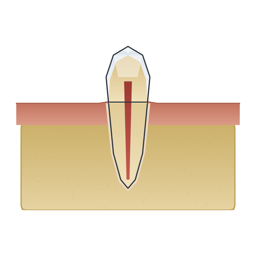
Enamel is the white outer layer; the dentine underneath is yellow. Abrasive pastes thin the enamel, so more of the yellow shows through — the opposite of what you wanted.
Are 'enamel-repairing' toothpastes real?
Toothpastes with fluoride (and some with hydroxyapatite) can help remineralise the very earliest stage of decay. No toothpaste can rebuild lost enamel or fill a cavity.
Dr Rick Iskandar · Reviewed June 2026
Every page is written and reviewed by practising clinicians.
Dr Rick Iskandar · Reviewed June 2026 · Sources: Australian Dental Association, specialty college guidance
✓ Clinician-reviewed

General information — not a substitute for personal advice from your dental team. Please discuss your individual situation with your dentist.

© Dr Rick Iskandar 2026 · Powered by theconsent.app