ExploreTreatmentstheconsent.app
Paediatric Dentistry

Children's toothpaste: how much and when

The right fluoride, the right amount, at the right age.
✓ Clinician-reviewedReviewed June 20262 min read
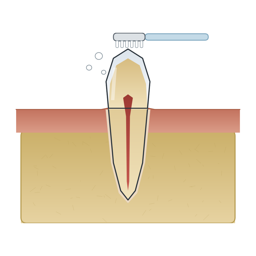
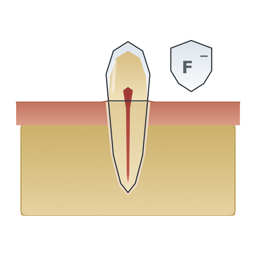
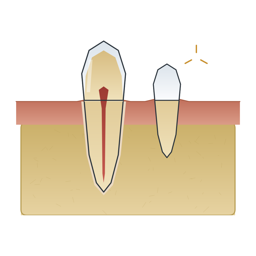
Illustration: Children's toothpaste: how much and when
0–18 months
Soft brush and water
18 months–5 years
Pea-size, low-fluoride kids' paste
6 years +
Pea-size standard fluoride paste
Golden rule
Spit, don't rinse

Overview

Australian guidelines are refreshingly simple. From when the first tooth appears until around 18 months, clean the teeth with a soft brush and water — no paste needed. From 18 months to five years, use a pea-sized smear of low-fluoride children's toothpaste. From six years, children can move to standard fluoride toothpaste, still pea-sized.

Two habits matter as much as the paste: an adult should brush or supervise until around age seven or eight (children simply don't have the dexterity earlier), and everyone — adults included — should spit out the paste but not rinse, so a little fluoride stays working on the teeth.

Children who love the taste and eat toothpaste should be supervised and given only a smear; swallowing large amounts regularly while adult teeth are forming is what causes fluorosis flecks.

What to know

  • First tooth to ~18 months: just a soft brush and water
  • 18 months to 5 years: a smear of low-fluoride children's paste
  • From 6 years: standard fluoride toothpaste, pea-sized
  • Adults should brush or supervise until about age 7–8
  • Spit, don't rinse — for kids and adults alike

Common questions

Why not use adult toothpaste from the start?
Young children swallow much of their toothpaste. Regularly swallowing adult-strength fluoride while adult teeth are forming can cause fluorosis — faint white flecks in the enamel. Kids' pastes are dosed for this reality.
My child hates brushing — any tricks?
Make it non-negotiable but pleasant: brush together, use a timer or a favourite song for two minutes, let them 'finish' after you have done the real work. Electric brushes with lights help some kids. Habit beats perfection.
Is fluoride-free 'natural' toothpaste okay for kids?
It cleans, but it does not protect. Fluoride is the single best-evidenced defence against childhood decay — the guidelines above give the protection without the risk.
When can my child brush unsupervised?
Around seven or eight, when they can tie shoelaces — that is roughly the dexterity brushing requires. Before then, their brushing is practice; yours is the clean that counts.
Dr Rick Iskandar · Reviewed June 2026
Every page is written and reviewed by practising clinicians.
Dr Rick Iskandar · Reviewed June 2026 · Sources: Australian Dental Association, specialty college guidance
✓ Clinician-reviewed

General information — not a substitute for personal advice from your dental team. Please discuss your individual situation with your dentist.

© Dr Rick Iskandar 2026 · Powered by theconsent.app