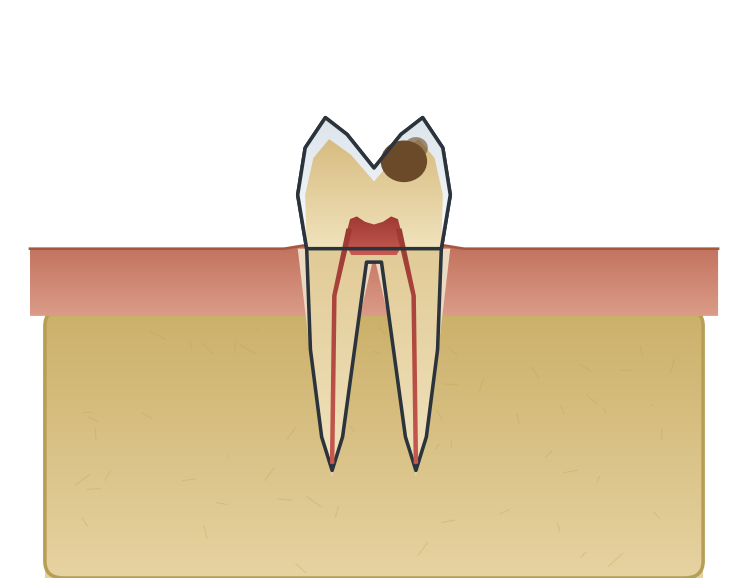
Cause
Plaque acid
Early signs
Often none
Treatment
Filling or prevention
Prevention
Brushing, diet, fluoride
Overview
Tooth decay happens when bacteria in plaque turn sugars in your food into acid. Over time this acid softens and breaks down the hard outer layer of the tooth, creating a cavity.
Caught early, decay can sometimes be slowed or stopped before a filling is needed. Once a hole forms, the affected part is removed and the tooth is repaired.
What to know
- Caused by acid from plaque, sugar and frequent snacking
- Early decay may show no symptoms at all
- Regular check-ups help catch it before it grows
- Small cavities are simpler and cheaper to treat
- Good brushing and less sugar lower your risk
Common questions
How do I know if I have a cavity?
Often you cannot feel early decay. Your dentist finds it at a check-up or on an x-ray.
Can decay be reversed?
Very early decay can sometimes be remineralised. A cavity that has formed needs treatment.
Does a cavity always hurt?
No. Pain often starts only once decay is deep and closer to the nerve.
How can I prevent decay?
Brush twice a day with fluoride toothpaste, clean between the teeth daily (floss, interdental brushes or a water flosser), and cut down on sugary snacks and drinks.
Related topics
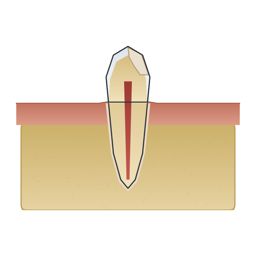
Tooth-coloured (composite) filling
A tooth-coloured filling that repairs a tooth and blends in naturally.
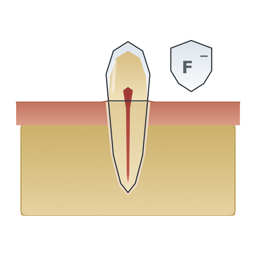
Fluoride
Fluoride strengthens enamel and helps protect your teeth from decay.
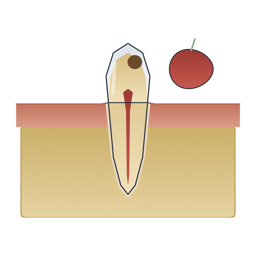
Diet, sugar & acid
What and how often you eat and drink shapes your risk of decay and erosion.
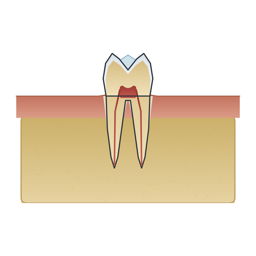
Dental sealants
A thin protective coating that shields the chewing surface from decay.
Dr Rick Iskandar · Reviewed June 2026