Why
Tooth can't be saved
Visit
Usually one
Anaesthetic
Local (sedation optional)
Recovery
Days to a couple of weeks
Overview
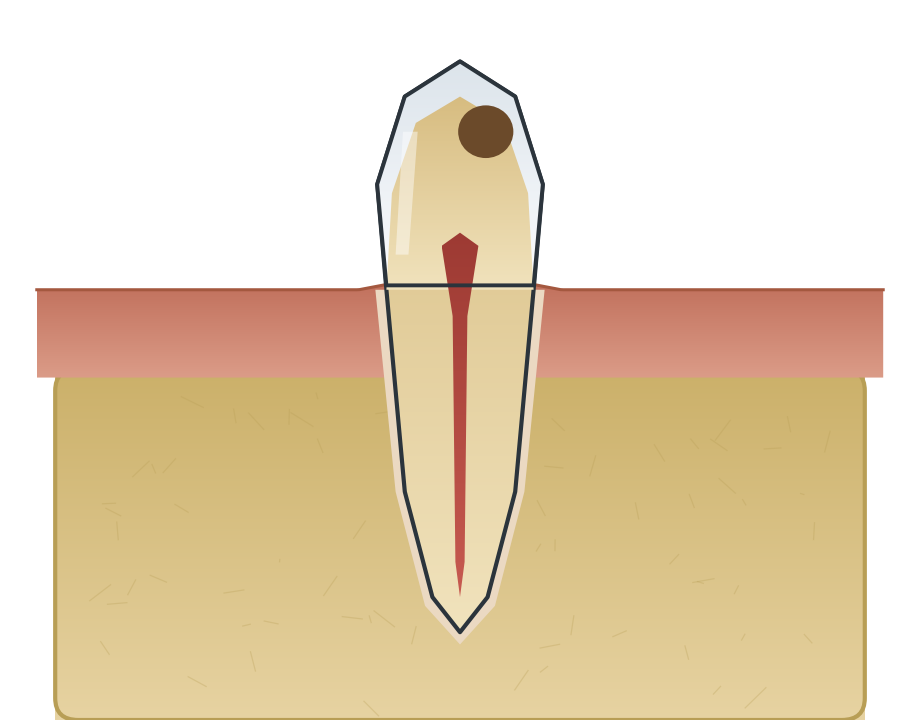
An extraction removes a tooth that's beyond repair — usually from severe decay, infection, fracture or advanced gum disease. It's done under local anaesthetic so the area is completely numb, and a simple extraction often takes only a few minutes. Where a tooth will later be replaced, the socket can be preserved at the same visit to keep the bone in good shape.
Common questions
Will it hurt?
The tooth and gum are numbed first, so you should feel firm pressure but not pain during the procedure. Any tenderness afterwards is usually well managed with simple pain relief.
How long is recovery?
The gum surface largely closes within a week or two, while the underlying socket heals over several weeks. Most people return to normal activities the next day.
What are the risks?
The common ones are bleeding, swelling, bruising and, less often, a dry socket or infection. We'll go through anything specific to your tooth beforehand.
Can the tooth be replaced?
Yes — with a dental implant, a bridge or a denture. If an implant is likely, ask about preserving the socket at the time of removal.
Having this treatment?
See your step-by-step journey →
Related topics
Dr Rick Iskandar · Reviewed June 2026