Veneers, crowns or bonding?
Three ways to change how a front tooth looks — from least to most tooth-altering.
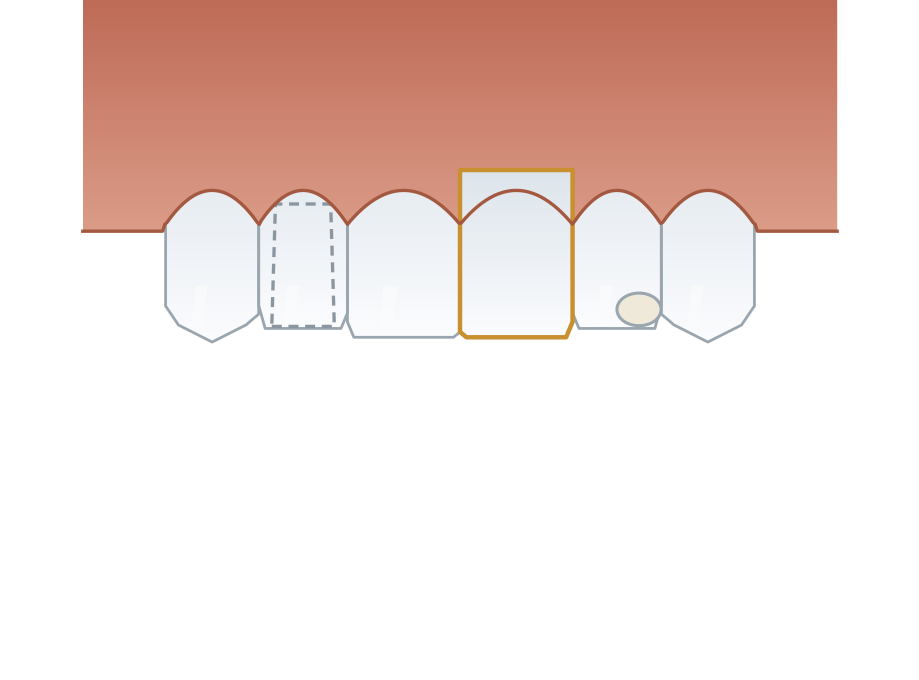
Overview
Bonding, veneers and crowns all change a tooth's shape and colour; they differ in how much natural tooth is altered, how long they last, and cost. The right choice depends on how much needs changing and how much healthy tooth is there to work with.
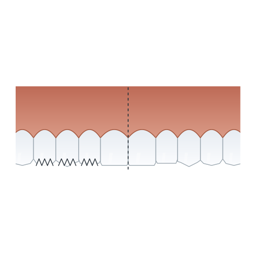
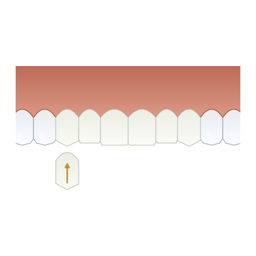
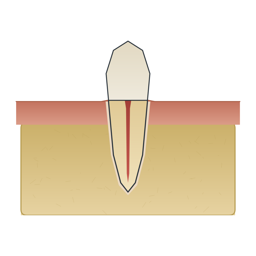
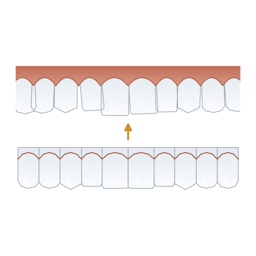
Composite bonding adds tooth-coloured resin directly, usually with little or no drilling — ideal for chips, small gaps and edge repairs. It is the most affordable and most repairable, but stains and chips sooner. Porcelain veneers are thin custom shells over the front surface; they need minimal preparation, resist stain, and deliver the most consistent aesthetics for whole-smile changes. Crowns cup the entire tooth and require the most reshaping — they are the right tool when a tooth is heavily filled, cracked or root-treated and needs strength, not just looks.
A good rule: add the least, keep the most. We suggest the option that changes the least healthy tooth while still meeting the goal.
What to know
- Bonding: little or no drilling, easily repaired, stains sooner
- Veneers: minimal preparation, stain-resistant, most natural for smile makeovers
- Crowns: most tooth removal — chosen for strength, not just appearance
- Whitening first often changes which option (and which shade) you need
- All three need healthy gums and a stable bite to last
Common questions
Which lasts longest?
Do veneers ruin your teeth?
Why would you recommend a crown instead of a veneer?
Should I whiten before bonding or veneers?
Related topics