ExploreTreatmentstheconsent.app
Cosmetic Dentistry

White spots on teeth

Chalky patches with several different causes — and several different fixes.
✓ Clinician-reviewedReviewed June 20262 min read
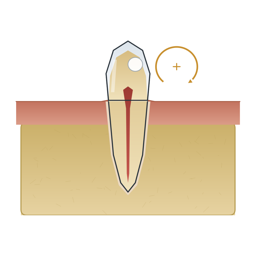
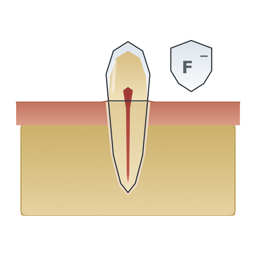
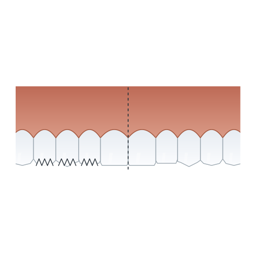
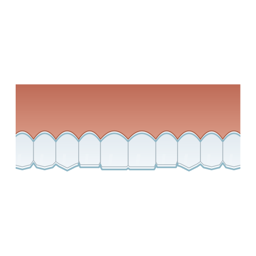
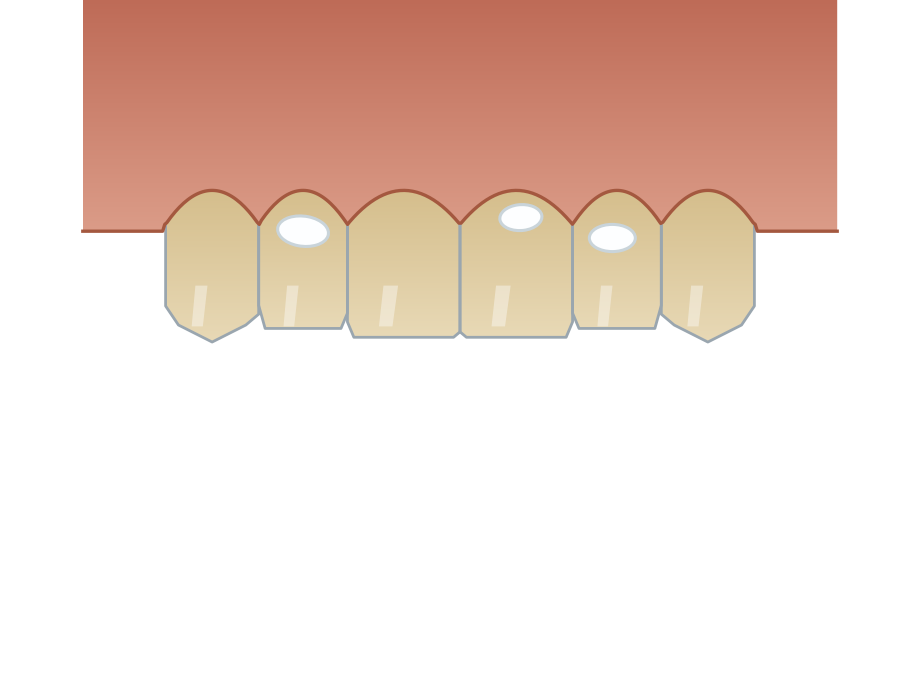
Illustration: White spots on teeth
After braces
Early decalcification
Since childhood
Fluorosis or developmental
New, near gumline
Possible early decay
Fixes
Remineralise, infiltrate, bond

Overview

White spots on enamel have a few common causes, and telling them apart matters because the treatments differ. Patches that appeared after braces usually mark early decalcification around where the brackets sat. Spots present since childhood on several teeth are often mild fluorosis or a developmental patch (hypomineralisation). A new chalky spot near the gumline can be the first stage of decay.

The good news: most white spots can be improved. Options range from remineralising treatment and microabrasion (polishing away the outermost layer), to resin infiltration that blends the patch into the surrounding enamel, to a small bonded filling or veneer for larger patches. Whitening the surrounding tooth sometimes makes spots less obvious too — though it can make them look brighter at first.

The right choice depends on how deep the patch goes, which is something we can assess in the chair.

What to know

  • Different causes need different treatments — diagnosis first
  • Post-braces spots are early decay scars and can progress without care
  • Developmental spots and mild fluorosis are stable and cosmetic
  • Resin infiltration can blend many spots invisibly without drilling
  • Whitening can help camouflage spots — but may highlight them briefly first

Common questions

Will whitening get rid of white spots?
Not directly — whitening lightens the surrounding enamel, which can make spots blend in better. Early in treatment spots often look brighter before the colour evens out. Sometimes we combine whitening with resin infiltration for the best result.
What is resin infiltration?
A no-drilling technique where the chalky patch is prepared with a gel and a fluid resin soaks into it, restoring the enamel's translucency so the spot visually disappears. It works best on decalcification and some fluorosis patches.
My child has creamy patches on their adult molars — same thing?
Possibly a condition called molar hypomineralisation, where patches of enamel form softer than normal. These teeth can be sensitive and decay faster, so it is worth an assessment rather than watching and waiting.
Can white spots turn into cavities?
The ones caused by early decay can — a chalky spot near the gumline or around old bracket sites is decay's first stage and needs active care. Developmental spots and fluorosis are stable.
Dr Rick Iskandar · Reviewed June 2026
Every page is written and reviewed by practising clinicians.
Dr Rick Iskandar · Reviewed June 2026 · Sources: Australian Dental Association, specialty college guidance
✓ Clinician-reviewed

General information — not a substitute for personal advice from your dental team. Please discuss your individual situation with your dentist.

© Dr Rick Iskandar 2026 · Powered by theconsent.app