Endodontics
Cracked tooth & the nerve
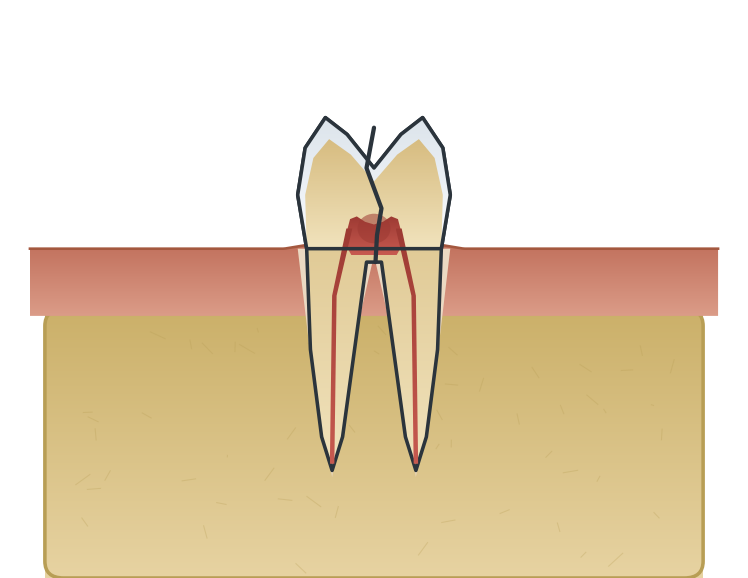
How a cracked tooth can irritate the nerve and what can be done about it.
Main sign
Pain on biting
Found by
Exam and tests
Mild crack
Often a crown
Deep crack
Root canal or removal
Overview
A crack in a tooth can let movement and bacteria reach the nerve, causing sharp pain on biting or sensitivity to temperature. Symptoms can come and go, which makes cracks tricky to pin down.
Treatment depends on how deep the crack runs. Some teeth need a crown to hold them together, while a crack that reaches the nerve may need root canal treatment or, if severe, removal.
What to know
- Cracks can cause sharp pain when biting
- Symptoms may come and go at first
- A crown can hold a cracked tooth together
- A deep crack may need root canal or removal
Common questions
Why does my tooth hurt only sometimes?
A crack can flex when you bite, giving sharp pain that settles when pressure is released.
Can a cracked tooth heal itself?
No, cracks do not heal, so treatment aims to protect the tooth and the nerve.
Will I need a root canal?
Only if the crack reaches the nerve; many cracks are managed with a crown.
What if the crack is too deep?
If it runs into the root, removing the tooth may be the safest option.
How can I avoid cracking a tooth?
Avoid chewing very hard items and ask about a night guard if you grind.
Related topics
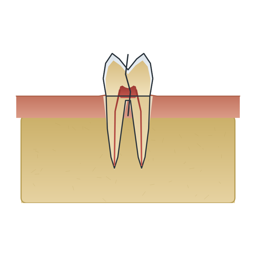
Cracked tooth
A crack in a tooth that can cause pain when biting or with hot and cold.
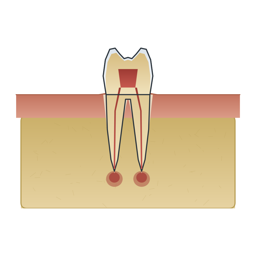
Root canal treatment
Treatment that saves a tooth by removing infected or damaged tissue inside it.
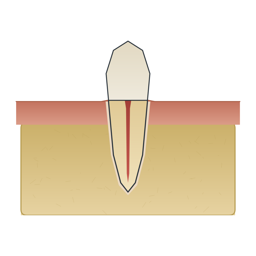
Dental crown
A custom cap that covers and protects a damaged or weakened tooth.
Bruxism (grinding & clenching)
Grinding or clenching your teeth, often during sleep and without knowing.
Dr Rick Iskandar · Reviewed June 2026