TMD, Occlusion & Bruxism
Bruxism (grinding & clenching)
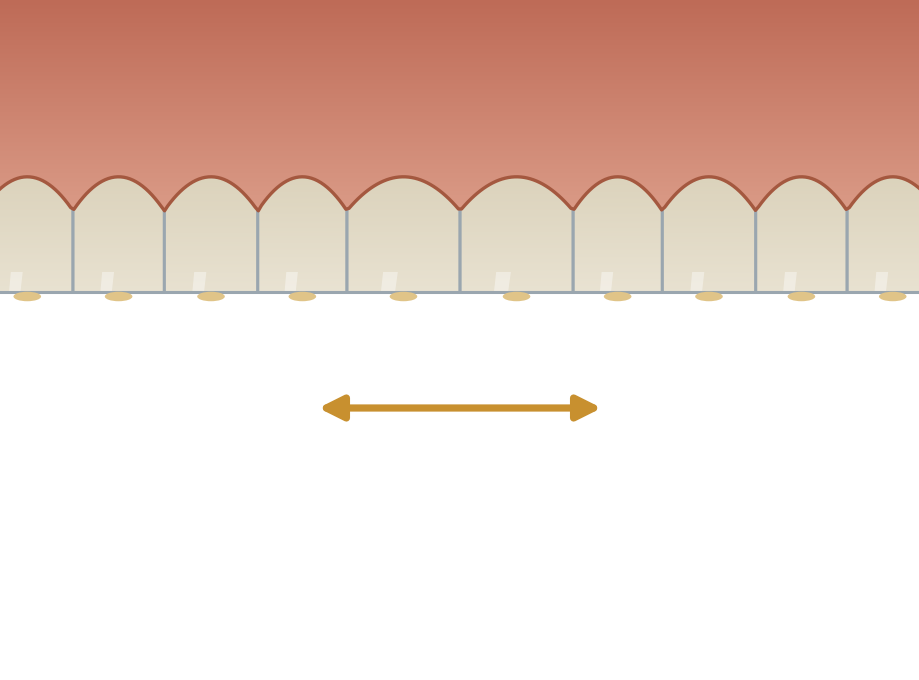
Grinding or clenching your teeth, often during sleep and without knowing.
What
Grinding or clenching
When
Often during sleep
Effects
Wear, ache, headache
Help
Night guard, triggers
Overview
Bruxism is grinding or clenching your teeth. Many people do it in their sleep and are not aware until a partner notices, or signs show up on the teeth.
Over time it can wear teeth down, cause aching jaw muscles, headaches or sensitive teeth. Stress, sleep problems and bite issues can all play a part.
What to know
- Grinding or clenching, often in sleep
- Can wear, chip or loosen teeth
- May cause jaw ache or headaches
- Stress and sleep can be triggers
- A night guard can protect the teeth
Common questions
How do I know if I grind?
Signs include worn or sensitive teeth, jaw ache, or a partner hearing it.
Why do people grind their teeth?
Stress, sleep problems and bite factors can all contribute.
Can grinding be cured?
Often it is managed rather than cured, by protecting teeth and easing triggers.
Will a night guard stop it?
It mainly protects your teeth and may ease muscle strain.
Is grinding linked to sleep apnoea?
It can be. Your dentist may ask about your sleep and snoring.
Related topics
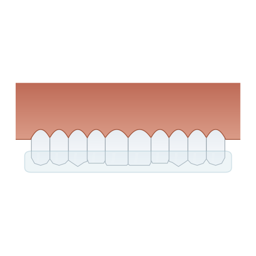
Night guard (occlusal splint)
A custom splint worn over your teeth to protect them from grinding.
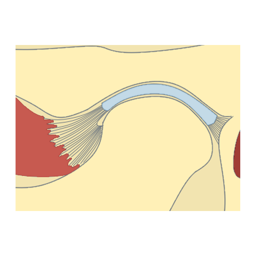
TMJ / jaw joint disorders
Pain or problems in the jaw joints and the muscles that move them.
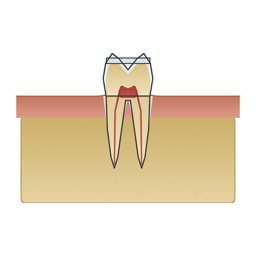
Tooth wear
Gradual loss of tooth surface from grinding, acid or rubbing.
Sleep-disordered breathing (adults)
Breathing that is disturbed during sleep, from snoring to sleep apnoea.
Dr Rick Iskandar · Reviewed June 2026