Periodontics & Gums
Gum disease (periodontitis)
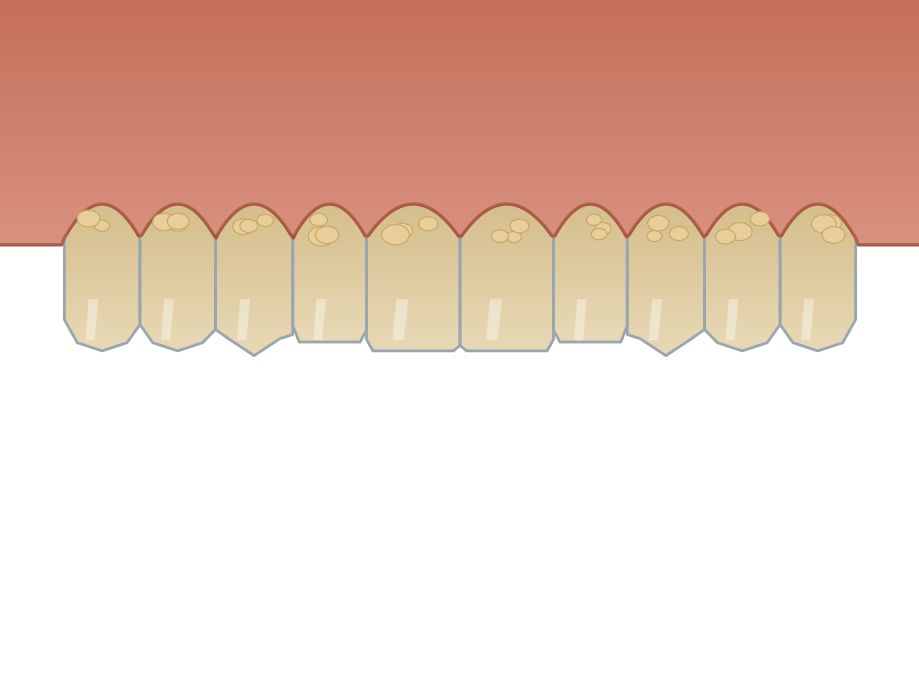
A bacterial infection of the gums and bone that support your teeth.
Affects
Gums and bone
Main cause
Plaque
Early sign
Bleeding gums
Outlook
Manageable
Overview
Gum disease, or periodontitis, is an infection of the gums and the bone that holds your teeth in place. It begins as gingivitis, where gums are red and bleed, and can progress to damage the deeper support.
It is caused by plaque building up on the teeth. Left untreated, it can lead to gum recession, loose teeth and tooth loss, but it can usually be controlled when treated early.
What to know
- Infection of the gums and supporting bone
- Caused by plaque building up on teeth
- Early sign is bleeding, swollen gums
- Can lead to loose teeth if untreated
- Usually controllable with treatment and cleaning
Common questions
What are the early signs?
Red, swollen gums that bleed when you brush or floss are common early signs. Bad breath and gum recession can follow.
What causes gum disease?
It is caused by plaque building up along the gumline. Smoking, diabetes and family history can increase the risk.
Can gum disease be cured?
Early gum disease can often be reversed. More advanced disease can usually be controlled but not fully reversed, so ongoing care matters.
Will I lose my teeth?
Not if it is caught and treated. Untreated gum disease is a leading cause of tooth loss in adults.
How is it treated?
It usually starts with a deep clean below the gumline, better home cleaning, and sometimes surgery for advanced cases.
Related topics
Non-surgical periodontal therapy
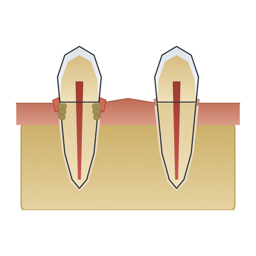
A deep clean below the gumline to treat gum disease without surgery.
Surgical periodontal therapy
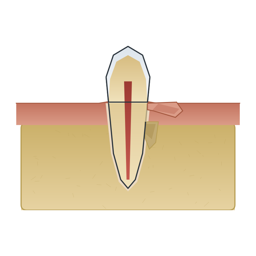
Gum surgery to clean deep areas and repair damage from gum disease.
Receding gums
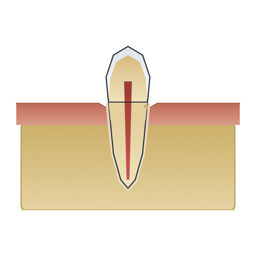
Gums that pull back from the teeth, exposing more of the root.
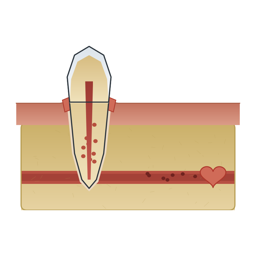
Gum disease & your general health
Gum disease is linked with several whole-body health conditions.
Dr Rick Iskandar · Reviewed June 2026