Prevention, Hygiene & Lifestyle
Mouthrinses
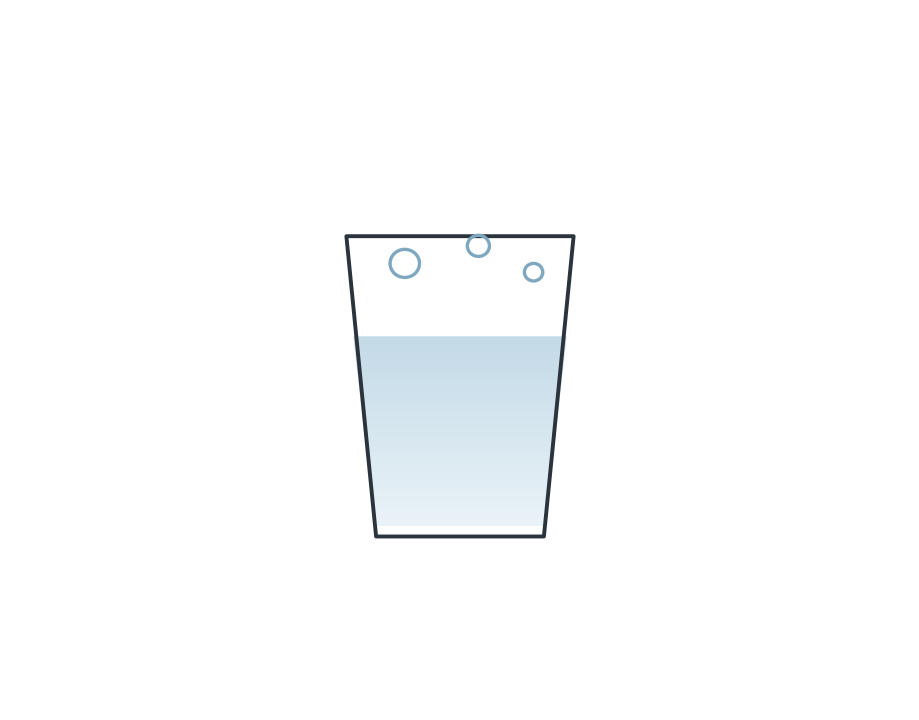
Mouthrinses can support your routine but do not replace brushing and flossing.
Role
A helper
Types
Fluoride, antibacterial
Replaces brushing
No
Advice
Ask your dentist
Overview
Different rinses do different jobs. Some add fluoride, some target bacteria, and many simply freshen the breath for a short time.
A rinse is a helper, not a substitute. The mechanical cleaning from brushing and flossing still does most of the work.
What to know
- Different rinses have different uses
- Fluoride rinses add decay protection
- Rinses do not replace brushing or flossing
- Some are only for short-term use
Common questions
Do I need a mouthwash?
Not everyone does. Your dentist can suggest one if it would help your situation.
Should I rinse straight after brushing?
It is better to rinse at a different time so you do not wash away toothpaste fluoride.
Is alcohol-free better?
Alcohol-free rinses are gentler and a good choice if your mouth feels dry.
Can I use antibacterial rinse every day?
Some strong rinses are only for short courses. Follow the label or your dentist's advice.
Related topics
Brushing technique
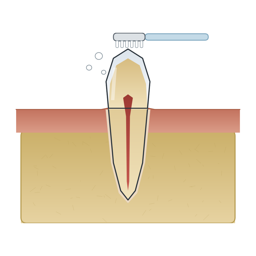
Brushing twice a day removes the plaque that causes decay and gum disease.
Bad breath (halitosis)
Lasting bad breath usually starts in the mouth and can be improved.
Fluoride
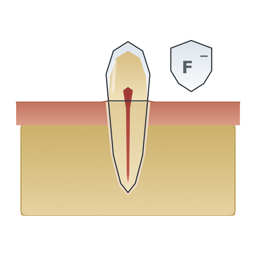
Fluoride strengthens enamel and helps protect your teeth from decay.
Gum disease (periodontitis)
A bacterial infection of the gums and bone that support your teeth.
Dr Rick Iskandar · Reviewed June 2026