Oral Surgery & Extractions
Sinus lift
Adding bone beneath the sinus so an upper back implant can be placed.
Purpose
Bone height for an upper implant
Approach
Side or crestal
Anaesthetic
Local (sedation optional)
Healing
Often ~6 months
Overview
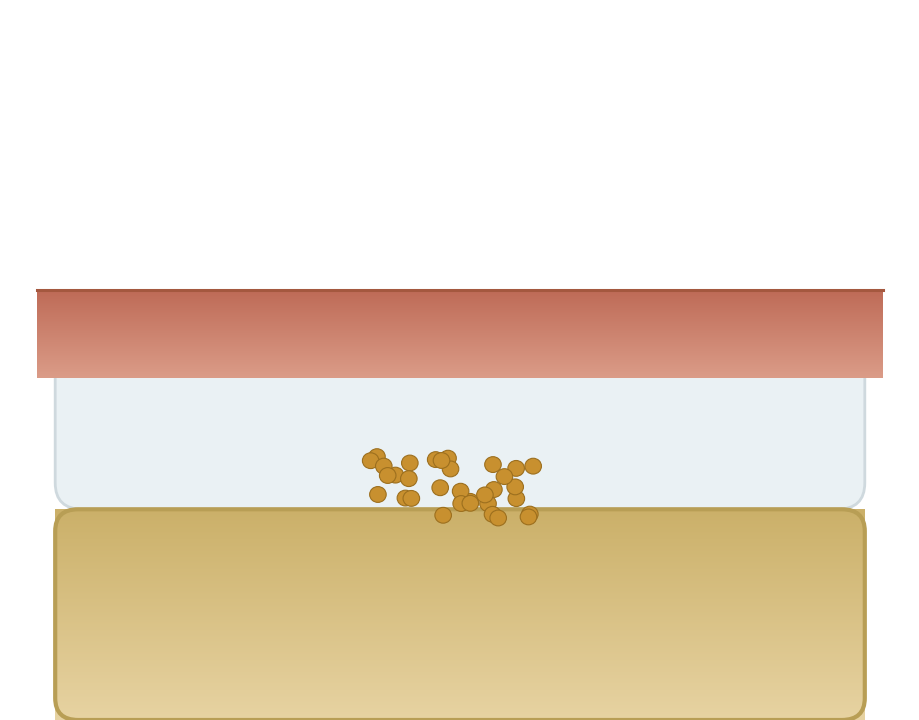
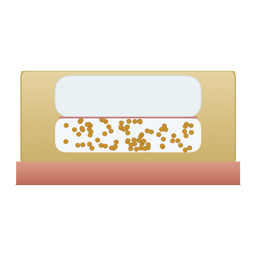
In the upper back jaw the maxillary sinus (an air space) can sit low, leaving too little bone for an implant. A sinus lift gently raises the membrane lining the sinus and places bone graft beneath it, increasing the height available so an implant can be placed securely. It's a routine, well-established part of implant dentistry.
Common questions
How is it done?
Through a small access either from the side of the jaw (lateral) or up through the implant site (crestal). The thin sinus membrane is lifted and graft added underneath.
Will it affect my breathing?
It shouldn't change how your sinuses work. You'll be asked to avoid blowing your nose forcefully and to follow some simple precautions while it heals.
Can the implant go in at the same time?
Sometimes, if enough bone remains to hold it initially; otherwise the graft heals first and the implant follows.
What are the risks?
The main one is a small tear in the sinus membrane, usually repaired at the time. Infection and graft loss are uncommon.
Having this treatment?
See your step-by-step journey →
Related topics
Dr Rick Iskandar · Reviewed June 2026