Orthodontics
Surgically-facilitated orthodontics
Combining minor surgery with braces to speed or assist tooth movement.
Purpose
Assist tooth movement
Pairs with
Braces or aligners
Anaesthetic
Local or general
Team
Dentist and surgeon
Overview
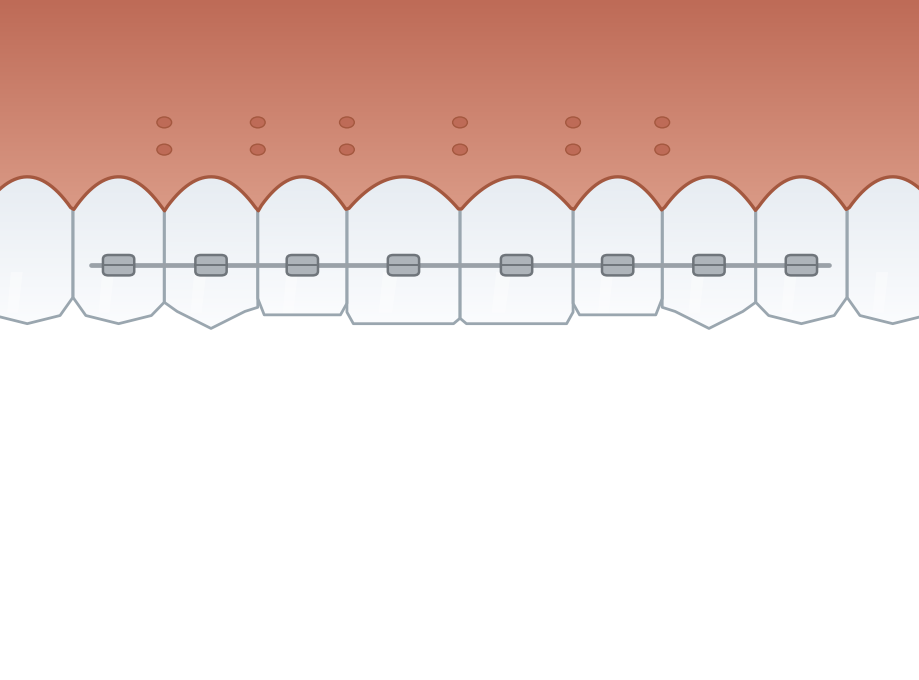
Surgically-facilitated orthodontics pairs braces or aligners with a small surgical step to help teeth move. In some cases this can make movement faster or allow it where bone is tight.
For larger jaw differences, jaw surgery may be planned with an oral surgeon to align the jaws as well as the teeth. Your dentist will explain whether surgery is needed for your case.
What to know
- Surgery used alongside orthodontic treatment
- Can help teeth move where bone is limited
- May shorten some treatment times
- Larger jaw problems may need jaw surgery
- Planned with a surgeon when required
Common questions
Why add surgery to braces?
It can help teeth move where bone is tight, or correct jaw position.
Is this needed for everyone?
No. Most orthodontics does not need surgery.
Who does the surgery?
Often an oral or maxillofacial surgeon, working with your dentist.
What is recovery like?
It depends on the procedure, from mild soreness to a longer healing time.
Are there risks?
As with any surgery, there are risks your team will discuss with you.
Related topics
Why orthodontics?
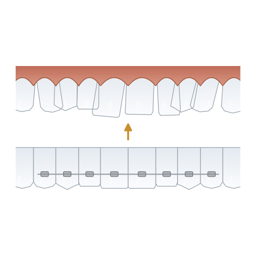
Straightening teeth can improve how your bite works, looks and stays clean.
Palatal expansion
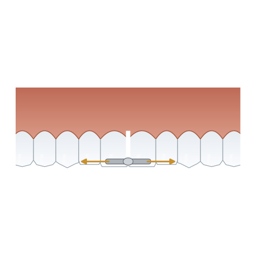
Widening a narrow upper jaw to make more room and improve the bite.
Bite problems (malocclusion)
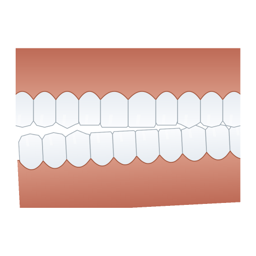
When upper and lower teeth do not meet the way they ideally should.
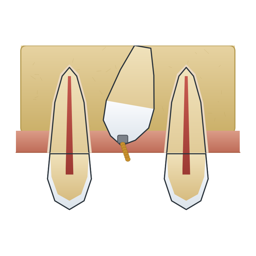
Exposure of an impacted canine
A small procedure that helps a stuck canine come into line with braces.
Dr Rick Iskandar · Reviewed June 2026