Dental Emergencies
Bleeding after an extraction
Some oozing after an extraction is normal and usually settles with pressure.
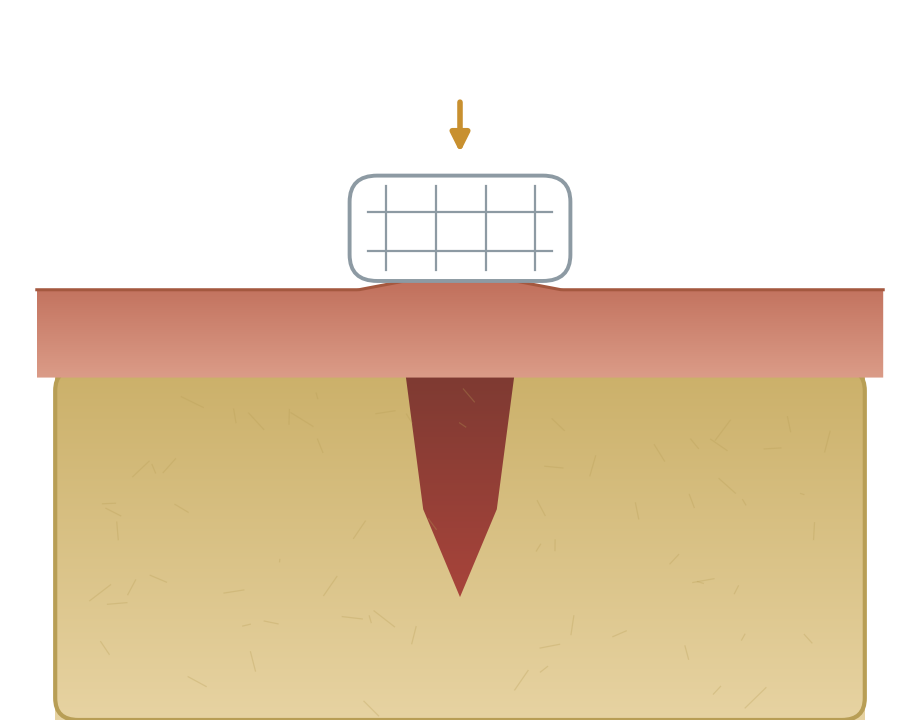
Some oozing
Normal
Main fix
Pressure on gauze
Protect
The clot
Avoid
Straws, smoking
Overview
A little bleeding or oozing for a few hours after a tooth is removed is normal. A blood clot forms in the socket and starts the healing.
Firm pressure from biting on gauze usually controls it. Protecting the clot in the first day helps you heal smoothly and avoids problems.
What to know
- Some oozing for a few hours is normal
- Biting firmly on gauze controls most bleeding
- Protect the clot; do not rinse hard or spit
- Avoid smoking, straws and hot drinks at first
Caring for it
- Fold a clean gauze or cloth into a pad and place it over the socket.
- Bite down firmly and steadily for about 20 minutes; avoid checking too often.
- If it keeps oozing, replace the pad and bite for another 20 minutes.
- A moistened black tea bag can be bitten on, as it may help a clot form.
- Rest with your head raised and stay calm.
- Do not rinse hard, spit, use straws or smoke for the first day.
- Avoid hot drinks and strenuous activity for the rest of the day.
Call your dentist if…
- Seek urgent care if bleeding is heavy, soaks through gauze after repeated firm pressure, or has not settled after several hours.
Common questions
How long should bleeding last?
Light oozing can last a few hours. Steady pressure should bring it under control.
What if it starts again later?
Bite on fresh gauze for 20 minutes. Avoid rinsing and disturbing the area.
Why must I protect the clot?
Losing the clot can expose the socket and cause a painful dry socket.
Can I take pain relief?
Yes, follow your dentist's advice. Avoid extra aspirin, which can increase bleeding.
Related topics
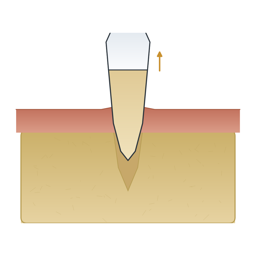
Tooth extraction
The careful removal of a tooth that can't be saved.
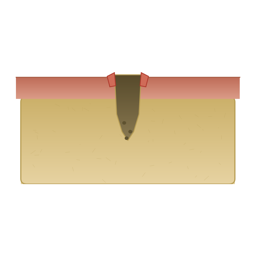
Dry socket
A painful but treatable healing hiccup after an extraction.
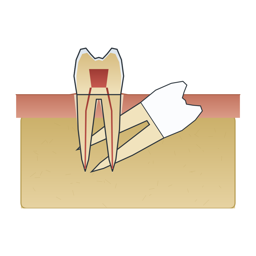
Wisdom tooth removal
Removing wisdom teeth that are impacted or causing problems.
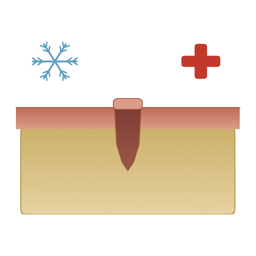
Caring for your mouth after oral surgery
Simple aftercare that helps you heal comfortably and avoid problems.
Dr Rick Iskandar · Reviewed June 2026