TMD, Occlusion & Bruxism
TMJ / jaw joint disorders
Pain or problems in the jaw joints and the muscles that move them.
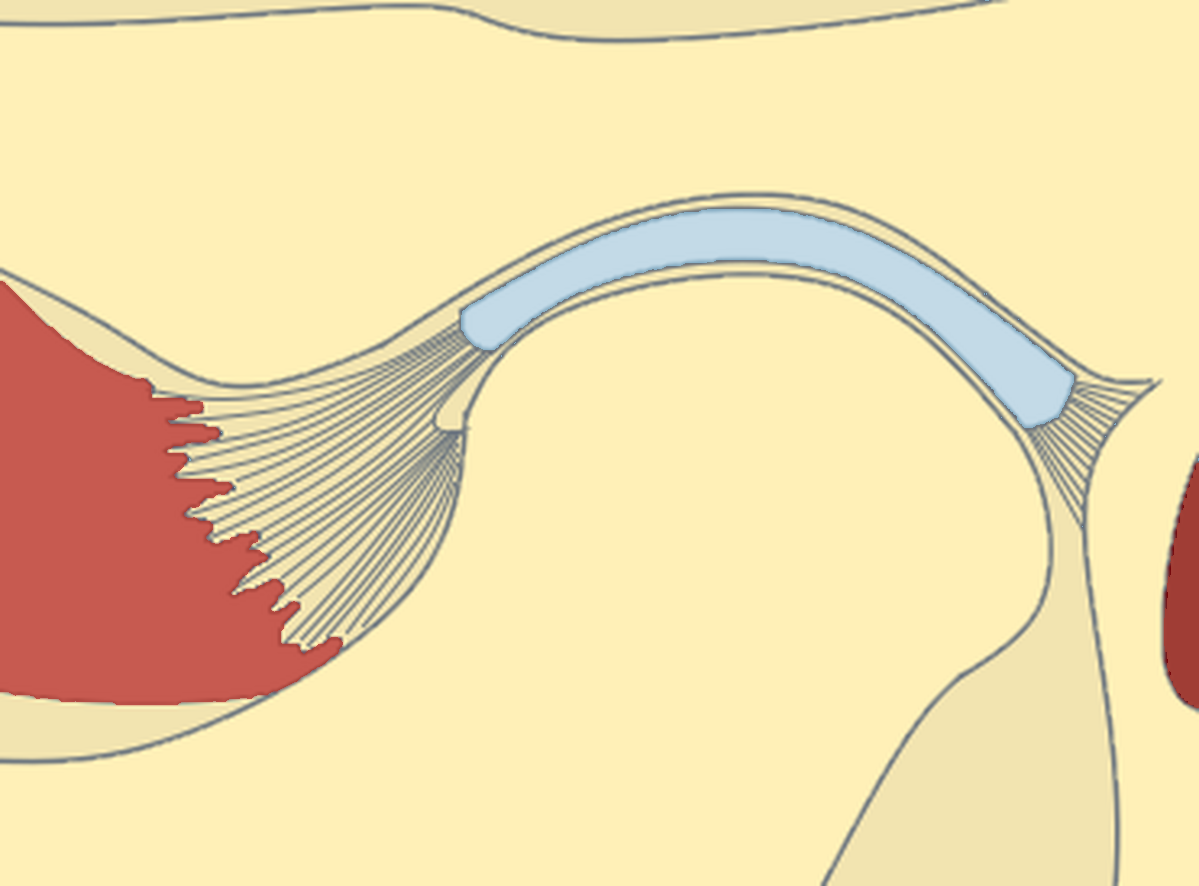
Affects
Jaw joints, muscles
Signs
Pain, clicking, locking
Often linked
Clenching, stress
Outlook
Often improves
Overview
The jaw joints sit just in front of your ears and let you open, close and chew. TMJ disorders cover a range of problems affecting these joints or the muscles around them.
Symptoms can include jaw pain, clicking, limited opening, or aching around the ears and temples. Many cases improve with simple measures and settle over time.
What to know
- Affects the jaw joints or jaw muscles
- Can cause pain, clicking or limited opening
- Often linked to clenching or grinding
- Many cases improve with simple care
- Severe or lasting cases need assessment
Common questions
What causes TMJ problems?
Often a mix of muscle strain, clenching, stress and sometimes joint changes.
Will jaw clicking damage my joint?
Clicking alone, without pain or locking, is often not harmful.
What helps at home?
Soft foods, gentle jaw rest, warmth and easing clenching can help.
Do I need surgery?
Rarely. Most cases are managed without surgery.
When should I seek help?
If pain is severe, your jaw locks, or symptoms do not settle.
Related topics
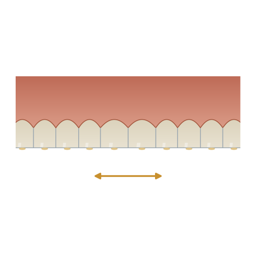
Bruxism (grinding & clenching)
Grinding or clenching your teeth, often during sleep and without knowing.
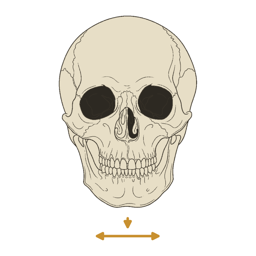
Jaw exercises
Gentle exercises to ease jaw muscle tension and improve movement.
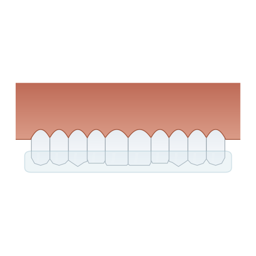
Night guard (occlusal splint)
A custom splint worn over your teeth to protect them from grinding.
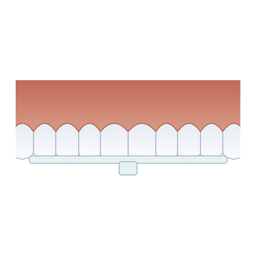
Kois deprogrammer
A removable device that relaxes jaw muscles to help check your true bite.
Dr Rick Iskandar · Reviewed June 2026