TMD, Occlusion & Bruxism
Equilibration (bite adjustment)
Carefully reshaping tooth surfaces so your bite meets more evenly.
What
Bite adjustment
Removes
Tiny high spots
Helps
Overloaded teeth
Anaesthetic
Usually none
Overview
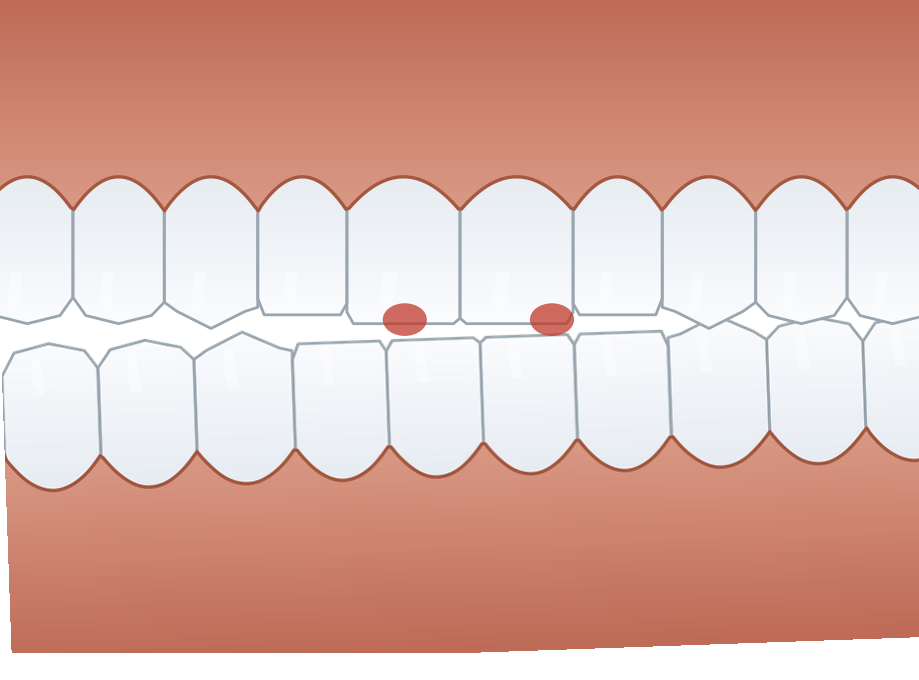
Equilibration, or bite adjustment, is the gentle reshaping of small high spots on the teeth so the upper and lower teeth meet more evenly. Only a tiny amount of enamel is smoothed.
It can help when a few teeth take too much force, which may cause sensitivity, wear or jaw strain. It is a precise adjustment, not a way to straighten teeth.
What to know
- Smooths high spots for an even bite
- Only a small amount of enamel is shaped
- Can ease overloaded teeth
- May reduce some sensitivity or strain
- Not a substitute for orthodontics
Common questions
Will this damage my teeth?
Only a very small amount of enamel is smoothed, kept to a minimum.
Does it hurt?
It is usually painless and often needs no anaesthetic.
Why might I need it?
To spread your bite forces so no tooth is overloaded.
Is it permanent?
The reshaping is permanent, though bites can change over time.
Can it fix crooked teeth?
No. That needs orthodontic treatment.
Related topics
Bite problems (malocclusion)
When upper and lower teeth do not meet the way they ideally should.
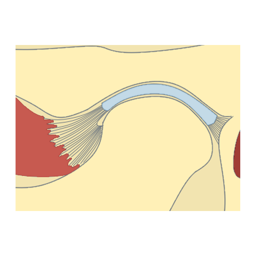
TMJ / jaw joint disorders
Pain or problems in the jaw joints and the muscles that move them.
Bruxism (grinding & clenching)
Grinding or clenching your teeth, often during sleep and without knowing.
Tooth wear
Gradual loss of tooth surface from grinding, acid or rubbing.
Dr Rick Iskandar · Reviewed June 2026